
Electrical & Electronic Toolchain

Electrical & Electronic Systems Development Dowway Vehicle

Electrical & Electronic Systems Development

Electrical & Electronic (E/E) Systems Development is fundamental to modern vehicle design, driving innovations in electrification, advanced driver-assistance systems (ADAS), and software-defined vehicles. It involves defining E/E architecture, managing wiring harnesses, integrating ECUs, ensuring functional safety (ISO 26262), and validating communication networks like CAN FD and Automotive Ethernet. As vehicle complexity grows, efficient development requires integrated tools for requirements management, network design, power distribution, and system simulation

We offer a comprehensive software solution that serves as a robust alternative to fragmented or legacy E/E development platforms. Tailored for automotive engineering, it provides end-to-end support for E/E architecture design, helping OEMs and suppliers accelerate innovation


Electrical/Electronic (E/E) System Development Tools

E/E system development tools enable automotive engineers to design, simulate, and validate vehicle electrical architectures, wiring harnesses, ECUs, and communication networks—ensuring safety, reliability, and integration of ADAS, electrification, and connectivity features while reducing development time and cost.

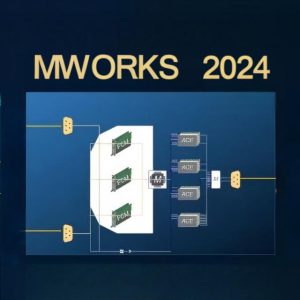
Automotive Modeling Software

Automotive modeling software enables designers and engineers to create precise 3D digital models of vehicle exteriors, interiors, and components—supporting styling, aerodynamics, packaging, and manufacturing planning from concept to production.

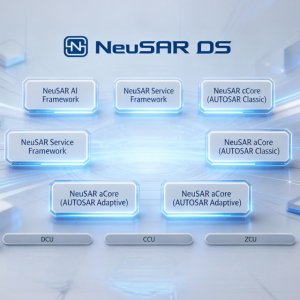
AUTOSAR

AUTOSAR (Automotive Open System Architecture) standardizes automotive software architecture, enabling modular, reusable ECU software for functions like powertrain control, ADAS, and body electronics—improving interoperability, reducing development costs, and supporting functional safety (ISO 26262) across OEMs and suppliers.

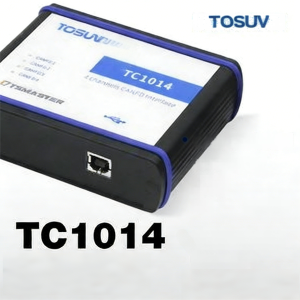
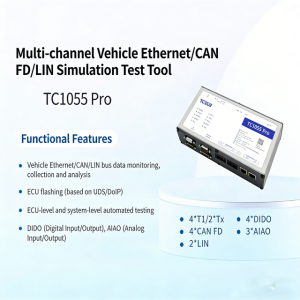
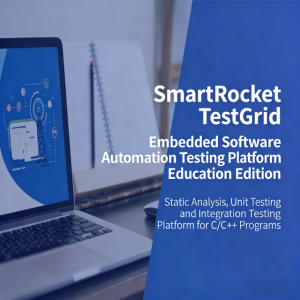
Testing and Calibration Toolchain

Testing and calibration in automotive design involve validating vehicle systems (e.g., engine, battery, ADAS) through real-world or simulated tests and fine-tuning ECU parameters to optimize performance, emissions, safety, and efficiency—ensuring compliance and driving refinement before mass production.

Automotive Functional Safety

Automotive Functional Safety ensures that electronic systems (e.g., braking, steering, ADAS) operate correctly even during failures, using ISO 26262 standards to identify hazards, assign ASIL levels, and implement safety mechanisms—preventing unreasonable risks and protecting occupants.

Need a Quote or Have Questions?

Please fill out the form below, our engineers will contact you within 24 hours.

    Inquiry List