


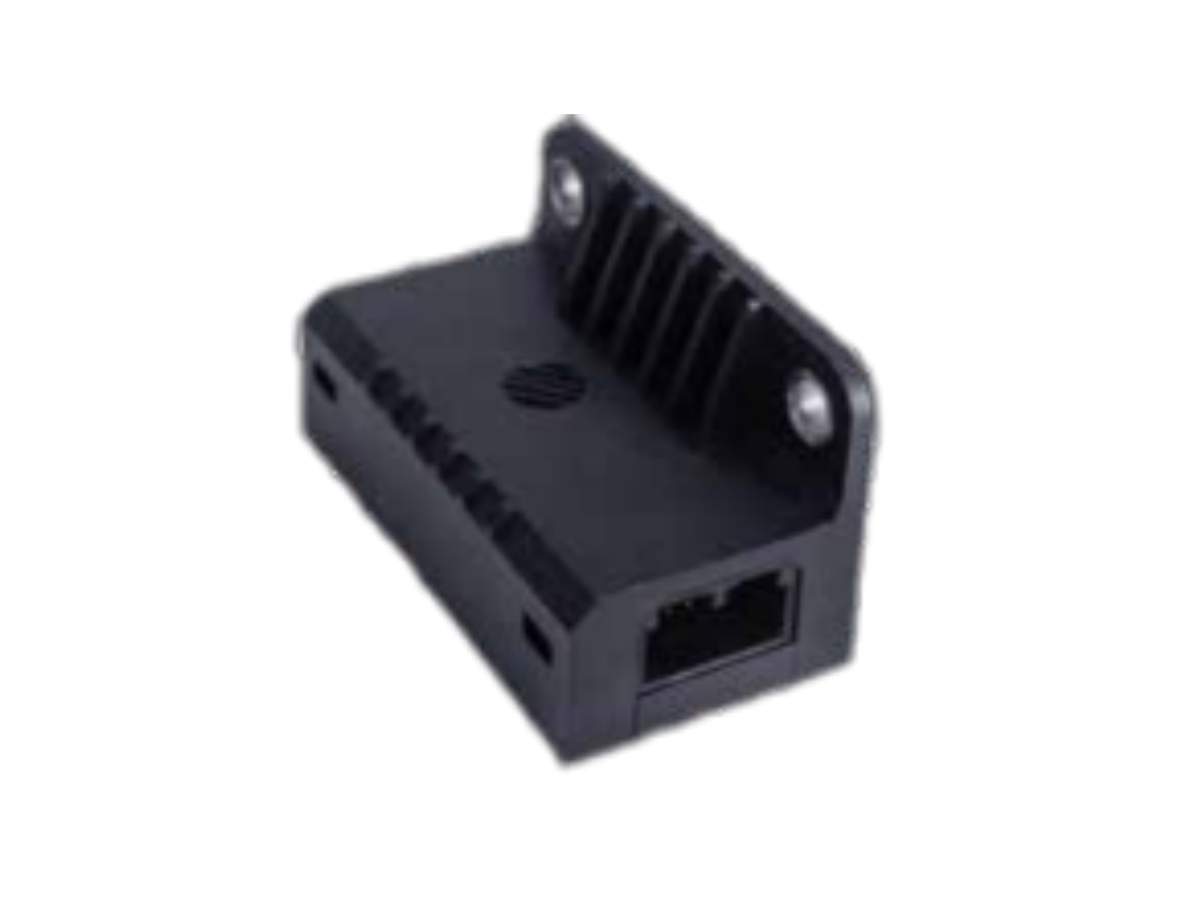
| Parameter | Specification |
|---|---|
| Sensor Type | Optical Gas Gel Detection Sensor |
| Technology | Optical Labyrinth Design |
| Communication | CAN Bus, PWM Signal Output |
| Operating Voltage | 8–16 VDC |
| Operating Temperature | -40°C to +85°C |
| Storage Temperature | -40°C to +125°C |
| Current Consumption | <50 mA (typical) |
| Power Protection | Reverse polarity, overvoltage, short-circuit |
| Operating Modes | Continuous, Monitoring, Sleep |
| Self-Diagnosis | Built-in diagnostic function |
| Parameter Configuration | Online via UDS protocol |
| Compensation | Zero-point and temperature compensation |
| EMC Performance | Meets automotive-grade standards |
| Housing Material | Flame-retardant ABS+PC |
| Mounting Method | Bracket-mounted, customizable |
| Dimensions | Compact rectangular design, suitable for battery pack integration |
| Compliance | RoHS, REACH, ISO 7637-2, AEC-Q100 Grade 1 |
| Safety Rating | ASIL-B compliant |
The Automotive Gas Gel Sensor is a critical safety component specifically developed for use in the Battery Management System (BMS) of new energy vehicles (NEVs), including electric cars, hybrid electric vehicles (HEVs), and plug-in hybrids (PHEVs). This advanced optical sensor detects the release of gas gel—a byproduct of thermal runaway or internal short circuits—within lithium-ion battery packs. When abnormal conditions such as overcharging, overheating, or mechanical damage occur, the battery cells may enter a thermal state, leading to the decomposition of electrolytes and the generation of flammable gases and gel-like substances. The gas gel sensor rapidly identifies these hazardous emissions through an innovative optical labyrinth design, triggering immediate alerts to the vehicle’s BMS via CAN or PWM communication protocols.
This early warning capability allows the BMS to initiate protective actions such as disconnecting the high-voltage circuit, activating cooling systems, or initiating emergency shutdown procedures—significantly reducing the risk of fire, explosion, or catastrophic failure. The sensor operates within a wide temperature range (-40°C to +85°C), ensuring reliable performance across extreme climate conditions and during prolonged high-load operation. It supports multiple operating modes—including continuous monitoring, active surveillance, and sleep mode—to optimize power consumption and extend service life. With built-in self-diagnostic functionality, it enables real-time health monitoring and fault reporting, enhancing system reliability and maintenance efficiency.
The sensor features robust electromagnetic compatibility (EMC) performance, meeting automotive-grade standards for immunity to electrical noise and interference in complex vehicle environments. It includes comprehensive power protection mechanisms such as reverse polarity, overvoltage, and short-circuit protection, ensuring durability under harsh operating conditions. Parameters can be configured online via UDS (Unified Diagnostic Services) protocol, allowing OEMs to customize sensitivity thresholds, response times, and diagnostic codes according to specific battery chemistry and vehicle architecture. Its compact design with integrated mounting brackets facilitates easy installation near battery modules or in dedicated monitoring chambers.



Reviews
There are no reviews yet.