


Last Updated: August 25, 2026
Author:
Johnny Liu, CEO at Dowway Vehicle
Reviewed by:
Dowway Vehicle Engineering Team
Table of Contents
How Did Dowway Support the Changan Deepal G318 Development Project?
Dowway supported the Changan Deepal G318 development project by providing complete vehicle engineering services, including chassis platform development, three-electric system development, vehicle integration, testing, calibration, and production support. The project covered the full automotive development process from early requirements and system design to prototype validation and mass production release.
Project Snapshot
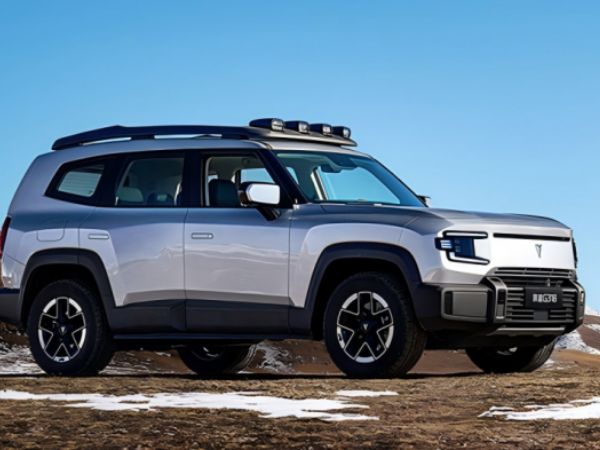
Vehicle: Changan Deepal G318
Vehicle Type: Range Extended Electric Hard-Core SUV
Development Partner: Dowway Vehicle
Main Development Scope: Chassis platform + Three-electric system development
Key Technologies: Battery system, electric drive system, VCU/BMS/MCU control, thermal management, vehicle calibration
Development Process: Automotive V-model development process
Final Support Stage: Production engineering release and technical support
Project Background: Developing a Range Extended Electric SUV for Multiple Driving Conditions
The Changan Deepal G318 was developed as a range extended electric hard-core SUV designed for different driving environments.
The vehicle needed to provide:
- Comfortable daily city driving
- Long-distance travel capability
- Strong off-road performance
- Stable operation in difficult environments
Unlike a normal passenger EV, a hard-core SUV must handle conditions such as:
- Rough roads
- Gravel surfaces
- Water crossing
- High and low temperatures
- Continuous high torque operation
This created a demanding engineering challenge.
The vehicle needed a balance between:
- Driving comfort
- Electric power response
- Battery safety
- Off-road durability
- Long-distance range
In 2022, Dowway Vehicle started supporting the Changan Deepal G318 development project and took responsibility for two key engineering areas:
- Chassis platform development
- Complete three-electric system development
Dowway worked with Changan engineering teams through the complete vehicle development cycle, including requirement analysis, system design, simulation, prototype testing, vehicle calibration, and production release.
What Was Dowway’s Role in the Changan Deepal G318 Project?
Dowway acted as a vehicle system development partner and supported the transformation of vehicle targets into engineering solutions.
The project responsibilities included:
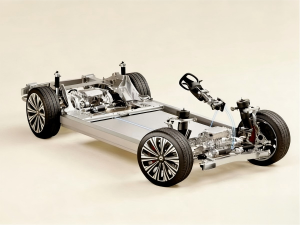
Chassis Platform Development
Dowway completed:
- Chassis architecture design
- Suspension system matching
- Vehicle dynamics simulation
- Hardware integration
- Vehicle calibration
The development focused on balancing:
- Urban driving comfort
- Vehicle stability
- Off-road capability
Three-Electric System Development
Dowway developed and integrated:
- Battery system
- Electric motor system
- Vehicle control system
The work covered:
- System architecture
- Hardware selection
- Control algorithm development
- Thermal management
- Testing
- Vehicle calibration
- High-voltage safety validation
Cross-System Integration
A key part of the project was coordinating mechanical and electrical systems.
Dowway worked on:
- Chassis and three-electric matching
- Range extender and electric drive coordination
- All-terrain power control
- Fault diagnosis
- Functional safety design
This helped the vehicle deliver stable performance across different driving conditions.
How Did Dowway Develop the Deepal G318 Chassis Platform?
The Deepal G318 required a chassis system that could work well both on highways and off-road trails.
Dowway designed the chassis platform around this requirement.
Suspension Architecture Development
The chassis used:
- Front double wishbone independent suspension
- Rear five-link independent suspension
This architecture supported:
- Better handling stability
- Improved ride comfort
- Stronger off-road performance
Dowway also completed the integration of:
- Air suspension system
- CDC damping control system
- Dual differential lock system
The suspension system could adjust:
- Vehicle height
- Damping characteristics
- Driving response
according to different road conditions.
Chassis Simulation and Virtual Development
Before prototype vehicles were built, Dowway performed multiple simulation studies.
The engineering work included:
- Suspension hard point simulation
- K&C vehicle dynamics analysis
- Load simulation
- Hardware boundary definition
- Interface specification development
These simulations helped identify possible problems before physical testing.
This reduced prototype changes and improved development efficiency.
Real Vehicle Testing and All-Terrain Calibration
During prototype development, Dowway conducted real vehicle calibration.
Testing covered:
- Handling performance
- Rough road durability
- Off-road capability
- Ride comfort
The chassis system was matched with the ET all-terrain control system.
Calibration scenarios included:
- Mud
- Sand
- Rock surfaces
- Water crossing
The system adjusted:
- Suspension height
- Damping control
- Vehicle parameters
to support both daily driving and off-road use.
How Did Dowway Develop the Three-Electric System for Deepal G318?
The three-electric system was the core engineering area of the project.
For a range extended hard-core SUV, the battery, motor, controller, and software systems must work reliably under difficult conditions.
The vehicle faced:
- Strong vibration
- Water exposure
- Temperature changes
- High torque demand
- High-rate charging and discharging
Dowway completed the full three-electric development process from system definition to production support.
How Was the Battery System Developed for Off-Road Conditions?
Dowway developed the battery system with focus on safety and durability.
The development included:
- Battery capacity definition
- Cell selection
- PACK structure design
- Protection level design
- Water cooling thermal management
- High-voltage circuit design
- BMS architecture
Because the vehicle would operate in off-road environments, engineers focused on:
- Impact protection
- Waterproof performance
- Dust protection
- Vibration resistance
The battery system was designed to maintain stable operation during rough terrain driving.
How Was the Electric Drive System Developed?
The four-wheel-drive version used:
- Front permanent magnet synchronous motor
- Rear permanent magnet synchronous motor
Dowway defined:
- Motor power targets
- Torque requirements
- Reduction system matching
- Motor controller integration
The system was designed for:
- Fast torque response
- Strong climbing ability
- Reliable off-road operation
The motor control development included:
- FOC control algorithm
- Torque response control
- Overload protection
- Weak field control
- Vibration suppression
How Was the Vehicle Control System Developed?
Dowway developed the control strategy for:
- VCU (Vehicle Control Unit)
- BMS (Battery Management System)
- MCU (Motor Control Unit)
The control system managed:
- Energy management
- Range extender operation
- Four-wheel torque distribution
- Driving modes
- High-voltage safety
- Fault handling
BMS Development
The battery management system included:
- Cell voltage monitoring
- SOC estimation
- SOH evaluation
- Charging and discharging power limitation
- Battery balancing
- Insulation monitoring
- Thermal control
- Fault protection
The software was optimized for vibration conditions to improve system stability.
VCU Development
The vehicle control unit handled:
- Vehicle energy management
- Range extender and electric motor coordination
- Four-wheel torque distribution
- All-terrain driving strategies
- High-voltage control logic
- Fault management
What Development Process Did Dowway Follow?
Dowway followed the automotive V-model development process.
The process included nine major stages.
Stage 1: Requirement Analysis and System Definition
Dowway converted vehicle requirements into technical specifications.
Input requirements included:
- Vehicle weight
- Four-wheel-drive performance targets
- Pure electric range
- Range extended performance
- Water resistance requirements
- Temperature range
- Vibration requirements
- EMC requirements
- Functional safety requirements
Special off-road conditions analyzed included:
- Vibration impact
- Slope climbing
- Low-temperature startup
- High-temperature continuous discharge
- Range extender switching
- Crawling mode control
Outputs included:
- System specification documents
- Component requirements
- Interface documents
- Safety requirements
- Testing plans
Stage 2: System Architecture Design
Dowway completed:
- Battery architecture design
- Electric drive system selection
- Controller architecture definition
- Thermal management design
The system design was reviewed and frozen after engineering comparison and simulation.
Stage 3: Hardware and Software Design
Hardware development included:
- Battery PACK structure
- BMS hardware
- MCU power hardware
- High-voltage distribution unit
DFMEA analysis identified risks such as:
- Loose connections
- Insulation failure
- Thermal problems
Software development followed AUTOSAR architecture.
Stage 4: Simulation Analysis
Dowway performed:
- Battery thermal simulation
- PACK thermal simulation
- Impact simulation
- Motor electromagnetic simulation
- Temperature rise analysis
- Vehicle energy simulation
- High-voltage safety simulation
The results were used to improve hardware and software parameters.
Stage 5: Component Testing
Testing included:
Battery:
- Charging and discharging cycles
- High and low-temperature tests
- Thermal safety tests
- Vibration tests
- Water and dust protection tests
Motor:
- Torque-speed testing
- Durability testing
- Overload testing
- Temperature testing
Controllers:
- EMC testing
- Temperature cycling
- Humidity testing
Stage 6: HIL System Testing
Dowway connected:
- BMS
- MCU
- VCU
to a virtual vehicle environment.
Testing included:
- High-voltage power control
- Fault injection
- Over-temperature faults
- Over-voltage faults
- Insulation faults
- Torque abnormality testing
- Driving mode simulation
Stage 7: Vehicle Calibration
Dowway performed prototype vehicle calibration on A and B sample vehicles.
Calibration included:
- High-voltage operation
- SOC power limits
- Motor torque response
- Energy management
Testing scenarios:
- City driving
- Highway driving
- Sand
- Mud
- Cross axle
- Slope crawling
Stage 8: Reliability Testing
The vehicle completed:
- High-altitude testing
- High-temperature testing
- Low-temperature testing
- Long-distance durability testing
- Water crossing testing
- Rough road testing
The tests verified:
- Battery reliability
- High-voltage safety
- Thermal performance
- Power output stability
Stage 9: Production Release Support
Dowway delivered:
- BOM documents
- Engineering drawings
- Technical specifications
- Calibration data
- Diagnostic database
- Supplier acceptance standards
The team supported production preparation and technical communication.
What Engineering Problems Did Dowway Solve in the Deepal G318 Project?
The Deepal G318 project combined electric vehicle technology with hard-core off-road requirements. The biggest challenges were not only about creating power, but also about making the vehicle reliable in difficult environments.
Dowway focused on four major engineering problems:
- Three-electric system reliability under strong vibration
- Thermal management in extreme environments
- Coordination between range extender and electric drive systems
- Functional safety and fault management
Challenge 1: How Did Dowway Improve Three-Electric Reliability in Off-Road Conditions?
Off-road vehicles experience repeated vibration and impact from:
- Gravel roads
- Uneven surfaces
- Rock areas
- Large suspension movement
These conditions can create risks for electric systems, including:
- High-voltage connector looseness
- Insulation problems
- Battery mounting stress
- False fault warnings
Dowway improved reliability through both hardware and software solutions.
Hardware Improvements
The engineering team optimized:
- Battery PACK reinforcement
- High-voltage wiring fixation
- Connector protection
- Anti-loosening design
These improvements helped protect electrical connections during continuous vibration.
Software Improvements
Dowway developed:
- High-frequency insulation monitoring
- Fault identification algorithms
- Improved abnormal condition detection
The goal was to distinguish real faults from temporary signals caused by harsh driving conditions.
This helped maintain high-voltage safety while allowing the vehicle to operate in demanding environments.
Challenge 2: How Did Dowway Develop Thermal Management for Extreme Conditions?
A range extended electric SUV has complex thermal requirements.
During off-road operation:
- Electric motors may produce high torque for long periods.
- The range extender may continuously generate electricity.
- The battery may need heating in cold environments or cooling in hot conditions.
Dowway developed an integrated thermal management system connecting:
- Battery system
- Electric drive system
- Range extender system
The thermal strategy included:
- Battery pre-heating during low temperatures
- Efficient cooling during high temperatures
- Heat transfer optimization between systems
This allowed the vehicle to maintain stable performance in:
- Hot summer conditions
- Cold winter environments
- Long-distance travel
- High-load driving situations
Challenge 3: How Did Dowway Coordinate Range Extender and Four-Wheel Electric Drive Control?
A major engineering challenge was managing power demand during extreme driving conditions.
For example:
When a vehicle climbs a steep slope, the electric motors need immediate torque.
However, the range extender cannot increase power output instantly.
Dowway developed energy management strategies to coordinate:
- Battery power supply
- Range extender generation
- Front and rear motor torque distribution
The control system adjusted power based on driving conditions, including:
- Normal road driving
- Off-road modes
- Low-speed crawling
- Vehicle recovery situations
The result was smoother power delivery while protecting the battery and electric components from excessive loads.
Challenge 4: How Did Dowway Design Functional Safety and Fault Management?
For off-road vehicles, safety strategies must consider real driving situations.
A small system fault should not always cause an immediate power shutdown, especially when the vehicle is operating in a difficult location.
Dowway developed a fault degradation strategy.
The system could:
- Detect abnormal conditions
- Reduce power output when required
- Maintain basic driving capability
- Help the driver move away from unsafe areas
The development followed ISO 26262 functional safety principles.
This approach balanced:
- System safety
- Vehicle reliability
- Real-world driving needs
What Were the Final Results of the Dowway Deepal G318 Project?
The Deepal G318 project demonstrated Dowway’s ability to support complete new energy vehicle development from engineering definition to production release.
The project delivered complete technical outputs covering:
- Chassis platform development
- Three-electric system integration
- Vehicle calibration
- Testing validation
- Production support
Project Development Results
| Development Area | Final Output |
|---|---|
| Chassis Platform | Complete SUV chassis architecture development |
| Suspension System | Front double wishbone and rear five-link suspension matching |
| Three-Electric System | Battery, motor, controller, and software integration |
| Control System | VCU, BMS, MCU software and calibration |
| Validation System | Simulation, bench testing, HIL testing, vehicle testing |
| Production Support | Technical documents, specifications, and production release support |
What Technology Experience Did Dowway Build Through This Project?
The Deepal G318 project helped Dowway build reusable engineering experience for future hybrid and electric vehicle programs.
The company developed stronger capabilities in:
Range Extended Vehicle Engineering
Including:
- Energy management
- Electric drive coordination
- Battery protection
- Vehicle control strategy
Off-Road EV Development
Including:
- Vibration reliability
- Thermal management
- High-torque operation
- Extreme environment testing
Integrated Vehicle System Development
Including:
- Chassis and electric system coordination
- Software and hardware integration
- Vehicle calibration
The engineering models, testing methods, software strategies, and validation processes developed during this project can support future vehicle programs.
How Did Dowway Manage Project Coordination and Quality Control?
Vehicle development involves many engineering areas working together.
Dowway created a dedicated project team including specialists in:
- Chassis engineering
- Battery systems
- Electric motors
- Vehicle controllers
- Software algorithms
- Calibration
- Testing
The team maintained regular communication with Changan engineering departments.
The project management process included:
- Weekly technical meetings
- Requirement reviews
- Design reviews
- Hardware reviews
- Software reviews
- Testing report reviews
Quality Management Process
Dowway used:
DFMEA
Design Failure Mode and Effects Analysis
Used to identify design risks such as:
- Electrical failures
- Thermal problems
- Structural risks
PFMEA
Process Failure Mode and Effects Analysis
Used to control production-related risks.
The team also maintained:
- Issue tracking records
- Engineering change management
- Test problem closure process
- Verification records
This ensured that engineering problems found during testing could be corrected and verified before production.
Why Does the Dowway Deepal G318 Project Matter for Future EV Programs?
The Deepal G318 project shows how Dowway supports OEM customers with complete vehicle engineering services.
The company can support projects involving:
- EV chassis development
- Three-electric system engineering
- Vehicle control software
- Simulation and validation
- Vehicle calibration
- Production technical support
The experience gained from this project provides a foundation for future:
- Hybrid SUVs
- Range extended vehicles
- Electric off-road vehicles
About Dowway Vehicle
Dowway Vehicle provides engineering solutions for new energy vehicle development.
The company supports automotive projects through:
- Chassis platform development
- Electric power system engineering
- Battery and control system integration
- Vehicle testing
- Calibration
- Production engineering support
Dowway works with automotive partners to develop vehicle systems from early engineering concepts through production preparation.
About the Author
Johnny Liu
CEO at Dowway Vehicle
Johnny Liu leads Dowway Vehicle’s automotive engineering development activities, focusing on new energy vehicle systems, vehicle integration, chassis engineering, and electric vehicle development solutions.
Through cooperation with automotive engineering teams and OEM partners, Johnny supports the development of production-ready vehicle technologies.
Expert Review
Reviewed by:
Dowway Vehicle Engineering Team
This article was reviewed by Dowway engineering professionals based on the Deepal G318 project development documentation and engineering records.
Frequently Asked Questions About the Dowway Deepal G318 Development Project
What role did Dowway play in the Changan Deepal G318 project?
Short answer:
Dowway supported the Deepal G318 project through chassis development, three-electric system engineering, vehicle integration, testing, calibration, and production support.
Dowway participated throughout the vehicle development process, including system definition, simulation, prototype testing, software calibration, reliability validation, and production technical release.
What technologies did Dowway develop for the Deepal G318?
Short answer:
Dowway developed vehicle systems including chassis architecture, battery systems, electric drive systems, VCU/BMS/MCU control software, thermal management, and validation processes.
The development also included HIL testing, vehicle calibration, functional safety strategies, and production documentation.
Why is three-electric system development difficult for off-road electric SUVs?
Short answer:
Off-road electric SUVs face stronger vibration, higher torque demand, temperature changes, and more difficult operating environments than normal EVs.
The battery, motors, controllers, and software must work together while maintaining safety, reliability, and stable power output.
What is the automotive V-model development process?
Short answer:
The automotive V-model is a development method that connects vehicle requirements, system design, testing, validation, and production release.
Dowway used this process for the Deepal G318 project to verify each engineering stage before production.
How does Dowway support new energy vehicle manufacturers?
Short answer:
Dowway supports OEM customers with complete vehicle engineering services, including chassis development, three-electric systems, simulation, testing, calibration, and production support.
The company helps transform vehicle concepts into production-ready engineering solutions.
Contact Dowway Vehicle for New Energy Vehicle Engineering Solutions
Dowway provides integrated engineering support for companies developing:
- Electric vehicles
- Hybrid vehicles
- Range extended vehicles
- Advanced SUV platforms
For EV system development, chassis engineering, and vehicle integration support, contact Dowway Vehicle.