




Published: August 2026
Last Updated: August 2026
Author: Johnny Liu
CEO at Dowway Vehicle
Engineering Expertise:
EV chassis development, vehicle dynamics engineering, suspension tuning, vehicle performance optimization, and OEM engineering projects.
Reviewed by:
Dowway Vehicle Engineering Team
Table of Contents
Quick Answer
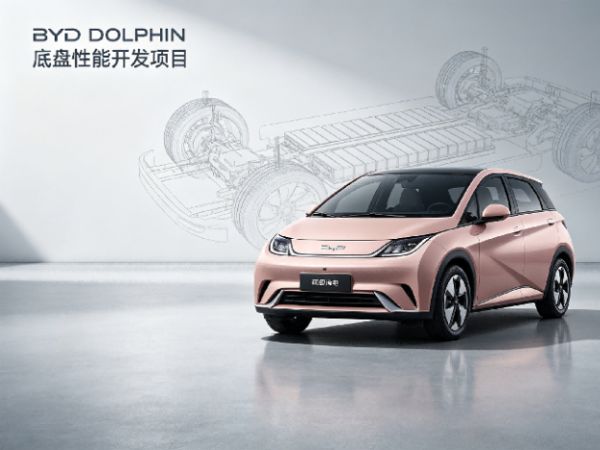
Dowway completed an EV chassis development project for BYD Dolphin in 2023, covering vehicle dynamics simulation, suspension optimization, steering calibration, chassis tuning, and full vehicle validation. The project improved ride comfort, handling stability, and driving confidence while creating a complete engineering process for compact electric vehicle development.
Project Highlights
- Customer: BYD Automotive
- Engineering Partner: Dowway Vehicle
- Vehicle: BYD Dolphin
- Vehicle Category: A0-class five-door five-seat pure electric vehicle
- Platform: BYD e-Platform 3.0
- Development Period: January 2023 – December 2023
- Main Engineering Scope:
- EV chassis development
- Vehicle dynamics simulation
- Suspension system optimization
- Steering calibration
- Ride and handling tuning
- Full vehicle performance validation
Key Results:
- Speed bump impact energy absorption improved by 40%
- Unsprung mass reduced by 15%
- 60 km/h slalom performance improved by more than 15% compared with average competitors
How Dowway Developed the BYD Dolphin EV Chassis Performance
Electric vehicle competition has changed.
Battery range and charging speed are still important, but customers also judge a vehicle through daily driving experience.
They notice:
- How the suspension handles rough roads
- Whether the vehicle feels stable at highway speeds
- How natural the steering feels
- Whether passengers feel comfortable during daily trips
For compact electric vehicles, chassis development is especially challenging.
A smaller EV usually has:
- Lower vehicle weight
- Compact body dimensions
- Limited suspension space
- Strong battery weight influence
These factors can create problems such as:
- Road vibration
- Harsh impacts over speed bumps
- Body roll during cornering
- Loose steering feeling
- Reduced confidence at high speed
The BYD Dolphin chassis development project focused on solving these practical driving issues.
Dowway Vehicle worked with BYD Automotive throughout 2023 to improve chassis performance through a complete engineering process:
Simulation → Parameter Optimization → Vehicle Tuning → Validation Testing
What Was the BYD Dolphin EV Chassis Development Project?
The BYD Dolphin is an important compact EV model based on BYD’s e-Platform 3.0.
The vehicle was designed for:
- Urban commuting
- Daily family transportation
- Practical electric mobility
Its strengths include:
- Affordable market positioning
- Efficient space usage
- Reliable electric range
- Easy urban driving
However, as EV customers became more demanding, chassis quality became a key product factor.
Many compact EVs struggle to balance:
- Comfortable daily driving
- Highway stability
- Handling response
- Safety confidence
Dowway was responsible for the chassis performance development work, including simulation analysis, tuning, optimization, and validation.
BYD Dolphin Project Overview
| Project Item | Details |
|---|---|
| Client | BYD Automotive |
| Engineering Partner | Dowway Vehicle |
| Vehicle Model | BYD Dolphin |
| Vehicle Type | A0-class five-door five-seat EV |
| Platform | BYD e-Platform 3.0 |
| Project Period | January 2023 – December 2023 |
| Main Focus | EV chassis development and vehicle dynamics optimization |
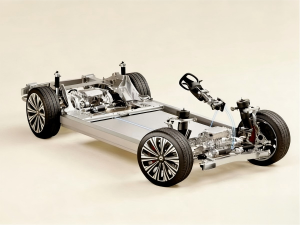
The chassis architecture included:
- Front-wheel-drive layout
- Front MacPherson independent suspension
- Rear suspension optimization toward four-link independent architecture
- Ventilated front disc brakes
- Solid rear disc brakes
- Low center-of-gravity layout supported by CTB technology
The development target was clear:
Create a compact EV that feels comfortable for families while maintaining stable and confident handling.
What Were the Main Development Goals?
Improving Ride Comfort
The first goal was to improve passenger comfort during daily driving.
Dowway focused on:
- Reducing small road vibrations
- Improving suspension response
- Reducing speed bump impact
- Controlling body bounce after road impacts
The objective was a smoother experience on city roads and uneven surfaces.
Improving High-Speed Stability
Compact EVs often face challenges during highway driving.
The team optimized:
- Straight-line stability
- Steering response
- Lane-change behavior
- Cornering control
The goal was to remove the unstable feeling sometimes experienced in small vehicles at higher speeds.
Creating a Better Comfort and Handling Balance
A chassis cannot simply be made softer or harder.
A very soft setup may improve comfort but reduce control.
A very stiff setup may improve handling but create a harsh ride.
Dowway developed a balanced chassis setup suitable for daily EV usage.
Meeting Safety and Production Requirements
All chassis parameters needed to match:
- Vehicle structure
- Battery layout
- Energy efficiency targets
- Safety standards
The final solution needed to provide better driving quality without reducing reliability.
How Did Dowway Use Vehicle Dynamics Simulation?
Before physical tuning, Dowway created a vehicle dynamics simulation model using:
- Vehicle body data
- Suspension structure information
- Battery layout
- Unsprung mass data
- Steering system parameters
- Brake system information
The simulation helped engineers identify problems and test solutions before extensive road testing.
Multi-Scenario Vehicle Dynamics Analysis
Ride Comfort Simulation
Dowway simulated:
- Urban roads
- Rough roads
- Gravel surfaces
- Speed bumps
- Uneven road conditions
The analysis focused on:
- Suspension damping
- Spring stiffness
- Bushing characteristics
- Vibration transfer
- Body movement
The team identified areas where the original setup caused:
- Strong vibration transmission
- Hard impact feeling
- Poor low-speed comfort
Handling Stability Simulation
The team tested:
- Highway driving
- Emergency lane changes
- Cornering
- Slalom conditions
Important measurements included:
- Steering delay
- Roll gradient
- Yaw response
- Vehicle tracking ability
The simulation identified:
- Weak high-speed stability
- Rear response delay
- Excessive cornering roll
Brake Dynamics Simulation
Dowway analyzed:
- Brake posture
- Pitch movement
- Front and rear braking balance
The purpose was to reduce:
- Brake dive
- Body movement
- Passenger discomfort
How Did Dowway Tune the BYD Dolphin Chassis?
After simulation analysis, Dowway conducted multiple rounds of real vehicle tuning.
The engineering team optimized:
- Suspension settings
- Steering response
- Vehicle attitude control
- Road condition adaptation
The development approach was:
Comfort during daily driving. Stability during demanding conditions.
Suspension System Optimization
Dowway adjusted:
- Spring stiffness
- Shock absorber damping
- Compression and rebound characteristics
- Suspension bushings
- Connection points
The tuning strategy was:
Low-Speed Driving
Improve:
- Vibration isolation
- Rough road comfort
- Speed bump response
High-Speed Driving
Improve:
- Body support
- Cornering stability
- Vehicle confidence
The final suspension balance reduced harshness while maintaining control.
Steering and Handling Calibration
Dowway optimized electric power steering settings.
At low speeds:
- Increased steering assistance
- Easier parking
- Better urban driving comfort
At high speeds:
- Reduced steering assistance
- Improved steering stability
- Better road feedback
The team also tuned:
- Steering return speed
- Steering linearity
- Response consistency
Vehicle Stability Optimization
Using the CTB low center-of-gravity advantage, Dowway improved:
- Roll control
- Pitch control
- Anti-roll bar matching
- Four-wheel alignment settings
The optimization reduced:
- Brake dive
- Acceleration lift
- Cornering body movement
Multi-Road Condition Testing
Dowway tested the vehicle across:
- City roads
- Highways
- Rough roads
- Mountain roads
The purpose was to make sure the chassis performed consistently in real customer situations.
How Was the Final Chassis Performance Verified?
Dowway and BYD conducted complete validation testing using:
Simulation → Tuning → Testing → Optimization
This closed-loop process confirmed production readiness.
Ride Comfort Validation
Testing included:
- Road impact evaluation
- Vibration analysis
- Suspension response testing
Result:
Speed bump impact energy absorption improved by 40%.
Handling Validation
Testing included:
- High-speed stability tests
- Slalom tests
- Moose tests
- Continuous cornering tests
Result:
60 km/h slalom performance improved by more than 15% compared with average competitors.
Durability Testing
The team completed:
- Long-distance road testing
- Suspension durability testing
- Performance consistency checks
The purpose was to confirm:
- Stable performance
- No abnormal chassis noise
- Long-term reliability
Energy Efficiency and Safety Testing
Dowway also checked:
- Rolling resistance
- Driving losses
- Energy consumption impact
The chassis improvements maintained EV efficiency.
All dynamic performance targets met required safety standards.
What Technical Challenges Did Dowway Solve?
Comfort and Handling Balance
Solution:
- Different damping strategies
- Suspension matching
- Vehicle dynamics optimization
Suspension Architecture Adaptation
Solution:
- Separate simulation models
- Different parameter solutions
- Load distribution optimization
Compact EV High-Speed Stability
Solution:
- Steering calibration
- Roll control improvement
- Chassis coordination
Multi-Condition Performance
Solution:
- Real road testing
- Data-based tuning
- Scenario-based calibration
What Results Did Dowway Achieve?
The BYD Dolphin EV chassis development project delivered measurable improvements:
- Better ride comfort
- More stable highway driving
- Improved steering response
- Reduced body movement
- Stronger chassis refinement
Key technical results:
- 40% improvement in impact energy absorption
- 15% reduction in unsprung mass
- More than 15% improvement in slalom performance
What Does This Project Show About Dowway Vehicle?
The BYD Dolphin project shows Dowway’s ability to support EV manufacturers with complete chassis engineering services.
Dowway Vehicle provides:
- EV chassis development
- Vehicle dynamics simulation
- Suspension tuning
- Ride and handling development
- Steering calibration
- Full vehicle validation
The project created practical experience in:
- Compact EV chassis optimization
- Low center-of-gravity vehicle control
- Multi-road-condition calibration
For electric vehicle manufacturers, chassis engineering directly affects how customers experience the vehicle every day.
Frequently Asked Questions
What is EV chassis development?
Short answer:
EV chassis development is the process of designing and tuning suspension, steering, braking, and vehicle dynamics systems to improve electric vehicle comfort, stability, and safety.
It includes simulation, engineering analysis, vehicle testing, and final calibration. For EVs, chassis development also considers battery weight, low center of gravity, and electric power delivery characteristics.
Why is chassis tuning important for electric vehicles?
Short answer:
Chassis tuning helps electric vehicles deliver better comfort, control, and driving confidence.
EVs have unique characteristics such as heavy battery packs and instant torque. Proper suspension and steering calibration help control vehicle movement and create a smoother driving experience.
What services does Dowway Vehicle provide?
Short answer:
Dowway Vehicle provides EV chassis engineering services, including vehicle dynamics simulation, suspension optimization, steering calibration, ride and handling development, and full vehicle validation.
These services help automotive companies improve vehicle performance before production.
What improvements were achieved in the BYD Dolphin project?
Short answer:
The BYD Dolphin chassis project achieved better comfort, stability, and handling performance.
The main measured improvements included 40% better impact energy absorption, 15% lower unsprung mass, and more than 15% better slalom performance compared with average competitors.
Why is BYD Dolphin an important EV engineering case?
Short answer:
The BYD Dolphin project represents a complete EV chassis development process from simulation to production validation.
It shows how Dowway applies engineering data, vehicle testing, and tuning experience to solve real-world EV driving challenges.
Contact Dowway Vehicle
Dowway Vehicle helps automotive companies develop better electric vehicles through professional chassis engineering, vehicle dynamics solutions, and performance validation.
Author: Johnny Liu
CEO at Dowway Vehicle
Disclaimer:
This article is a project experience case study based on Dowway Vehicle’s engineering work. Performance results may vary depending on vehicle configuration, testing conditions, and production specifications.