



Published: August 2026
Last Updated: August 2026
Author: Johnny Liu, CEO at Dowway Vehicle
Category: Electric Vehicle Technology | Intelligent Chassis | Automotive Engineering
Table of Contents
How Distributed Electric Drive Technology Is Changing Future EV Chassis Design
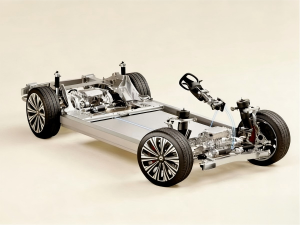
Distributed electric drive technology is an advanced electric vehicle system that uses multiple independently controlled electric motors to manage vehicle movement. By reducing traditional mechanical limits between wheels and axles, it gives vehicles more control freedom, improves driving stability, and supports the development of intelligent chassis systems for future electric vehicles.
Key Takeaways
- Distributed electric drive technology changes how electric vehicles control movement and power distribution.
- Independent electric motors allow more accurate vehicle motion control than traditional mechanical systems.
- The technology improves vehicle dynamics, active safety, and intelligent chassis functions.
- New motion control theories and algorithms are needed to manage multiple drive units.
- MATLAB and Simulink help engineers develop, test, and validate distributed drive control systems.
The automotive industry is moving through a major change.
Electric vehicles are no longer only about replacing gasoline engines with batteries and motors. The next step is improving how vehicles move, respond, and interact with drivers and road conditions.
The biggest changes are happening inside the chassis.
The chassis carries the key functions that control vehicle movement. As vehicles become more electric and intelligent, traditional chassis systems face new limits. Mechanical connections between wheels and axles can restrict how quickly and precisely a vehicle responds.
Distributed electric drive technology provides a different approach.
Instead of depending mainly on mechanical power distribution, it uses multiple electric drive units that can be controlled separately. This allows software and control algorithms to directly manage vehicle motion.
For future electric vehicles, this creates a new path toward smarter, safer, and more flexible vehicle platforms.
What Is Distributed Electric Drive Technology?
Distributed electric drive technology is a vehicle drive system that uses multiple electric motors to independently control different wheels or vehicle sections.
In traditional vehicles, power usually comes from one main source and travels through mechanical components before reaching the wheels.
A distributed drive system works differently.
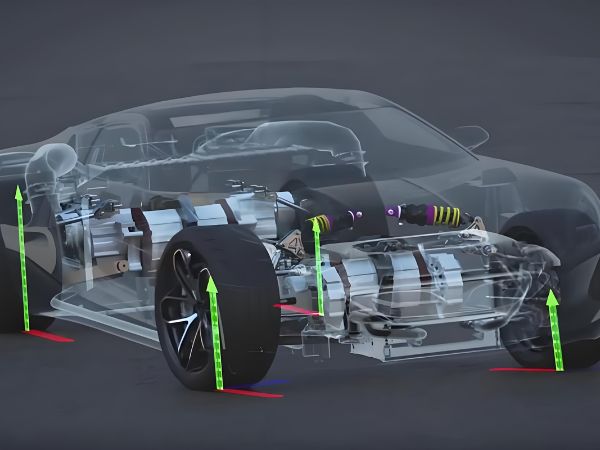
Each electric motor can receive separate control instructions. The vehicle can decide how much torque each motor should provide based on driving conditions, vehicle status, and control strategies.
This creates several advantages:
- More precise torque control
- Faster response to changing conditions
- Better vehicle balance
- Increased motion control capability
Simply put:
Traditional vehicles mainly use mechanical systems to distribute power. Distributed electric vehicles use software and algorithms to manage wheel-level movement.
Why Are Traditional Vehicle Systems Limited?
Traditional vehicle systems have been successful for more than a century. However, their mechanical structure creates certain restrictions.
Power is usually connected through:
- Engine or central motor
- Transmission system
- Differential
- Axles
These connections create mechanical reliability, but they also reduce the number of ways engineers can actively control vehicle movement.
For example, when a vehicle enters a slippery road section, the system may have limited ability to independently adjust each wheel.
This is where distributed electric drive creates a new possibility.
How Does Distributed Electric Drive Improve Vehicle Control?
Distributed electric drive increases the number of vehicle functions that can be controlled electronically.
This increased control freedom is one of the main reasons the technology has become important for future EV development.
Independent Wheel Torque Control
Each electric motor can produce controlled torque.
This allows the vehicle control system to manage:
- Wheel power distribution
- Vehicle balance
- Driving response
- Stability performance
For example, during acceleration on a road with different levels of grip, the system can adjust torque between wheels instead of relying only on traditional mechanical solutions.
This helps the vehicle maintain smoother and more stable movement.
Better Vehicle Dynamics Performance
Vehicle dynamics describes how a vehicle moves and responds.
Distributed electric drive can improve:
- Handling response
- Stability control
- Driving comfort
- Traction management
Because the system can react faster, it provides engineers with more options when designing vehicle behavior.
How Does Distributed Electric Drive Improve Active Safety?
Active safety is one of the most valuable applications of distributed electric drive technology.
Modern vehicles need to respond quickly to unexpected conditions.
Examples include:
- Slippery roads
- Sudden steering changes
- Emergency maneuvers
- Uneven road surfaces
With independent motor control, the vehicle can adjust torque distribution more accurately.
A traditional system may react after a problem occurs.
A distributed electric drive system can analyze vehicle conditions and make faster adjustments through electronic control.
This creates a stronger connection between:
- Sensors
- Control algorithms
- Electric actuators
Together, these systems help create safer vehicle behavior.
How Does Distributed Electric Drive Support Intelligent Vehicle Chassis Systems?
Distributed electric drive is not only a power technology.
It is also an important part of intelligent chassis development.
An intelligent vehicle chassis combines:
- Electric drive systems
- Electronic control
- Sensors
- Software algorithms
The goal is to allow the vehicle to understand conditions and respond intelligently.
From Mechanical Control to Software-Defined Vehicles
The automotive industry is moving from mechanical control toward software-based vehicle management.
In a software-defined vehicle, many functions can be improved through software updates and intelligent algorithms.
Distributed electric drive supports this direction because the vehicle has more electronically controlled components.
The relationship is:
Distributed Electric Drive Technology → Intelligent Chassis → Software-Defined Vehicle → Future Autonomous Driving
What Technologies Are Required for Distributed Electric Drive Systems?
A complete distributed drive system depends on several technologies working together.Modern electric drive solutions combine motors, power electronics, and integrated control systems to improve vehicle efficiency and performance. Dowway Vehicle develops advanced 3-in-1 and 7-in-1 electric drive systems that integrate key EV power components into compact and efficient platforms for next-generation electric vehicles.
Independent Electric Drive Units
Independent electric drive units provide the physical ability to control vehicle movement.
They allow:
- Separate motor control
- Flexible torque output
- Accurate power management
These drive units are the foundation of distributed vehicle motion control.
Line-Controlled Chassis Systems
Distributed electric drive works together with electronic chassis technologies, including:
- Drive-by-wire
- Brake-by-wire
- Steer-by-wire
These systems replace some traditional mechanical connections with electronic communication.
This improves integration between vehicle hardware and software.
Vehicle Motion Control Algorithms
The control algorithm acts as the decision-making system.
It manages information from:
- Vehicle sensors
- Driver input
- Road conditions
- Motor status
The algorithm decides how the vehicle should respond.
For distributed systems, engineers need new control methods because multiple motors must work together at the same time.
Why Does Distributed Electric Drive Need New Motion Control Theory?
When vehicles gain more control freedom, traditional control methods may not be enough.
Distributed drive systems create new engineering questions:
- How should multiple motors coordinate?
- How can vehicle stability be maintained?
- How can control decisions happen quickly?
- How should power be distributed in different situations?
Because of these challenges, researchers and engineers are developing new motion control theories for distributed electric drive chassis systems.
These theories support:
- Vehicle dynamics modeling
- Multi-actuator coordination
- Intelligent stability control
How Are MATLAB and Simulink Used in Distributed Electric Drive Development?
MATLAB and Simulink are widely used platforms for developing vehicle control systems.
They help engineers move from theory to practical vehicle applications.
The development process usually includes several stages.
Vehicle Dynamics Modeling
Engineers first create vehicle models.
These models represent:
- Vehicle movement
- Motor behavior
- Control responses
The models allow engineers to study how different systems interact.
Control Algorithm Development
After modeling, engineers design control algorithms.
These algorithms determine:
- Torque distribution methods
- Motion control strategies
- Vehicle response behavior
Simulation Testing
Simulink allows engineers to test different conditions before real vehicle testing.
Examples include:
- Different road environments
- Vehicle stability situations
- Control strategy comparisons
Simulation reduces development risks and helps improve algorithm performance.
Real Vehicle Application
After simulation validation, engineers can apply control systems to real vehicles.
The complete development process is:
Vehicle Model → Control Algorithm → Simulation → Real Vehicle Testing → Application
This connection between theory and engineering practice is a key part of distributed electric drive development.
What Challenges Does Distributed Electric Drive Technology Need to Solve?
Distributed electric drive provides more vehicle control ability, but it also creates new technical challenges.
Managing Multiple Systems at the Same Time
A vehicle with several independent motors requires accurate coordination.
The control system must handle:
- Multiple actuators
- Real-time calculations
- Changing driving conditions
More freedom also means more control complexity.
Balancing Performance and Reliability
Future intelligent chassis systems must balance:
- Driving performance
- Safety
- Energy efficiency
- System reliability
Advanced algorithms must provide better control while maintaining predictable vehicle behavior.
What Is the Future of Distributed Electric Drive Technology?
Distributed electric drive technology is expected to become an important part of future electric vehicle development.
Its value goes beyond improving vehicle power.
It supports the growth of:
Intelligent Chassis Platforms
Future chassis systems will combine:
- Electric drive
- Steering control
- Braking control
- Intelligent algorithms
This creates vehicles that can respond more accurately to changing environments.As electric vehicles continue moving toward more integrated architectures, advanced drive systems are becoming an important part of intelligent vehicle platforms. Dowway Vehicle’s EV motor and electric drive solutions provide integrated approaches for manufacturers looking to improve power efficiency, system integration, and vehicle performance.
Autonomous Driving Systems
Autonomous vehicles require precise control over movement.
Distributed electric drive provides additional control capability that can support safer autonomous vehicle operation.
Software-Defined Vehicle Architecture
As vehicles become more intelligent, software will play a larger role in vehicle functions.
Distributed electric drive provides the hardware foundation needed for software-based vehicle control.
Final Thoughts
Distributed electric drive technology represents a major change in how future vehicles will move and respond.
The technology breaks many traditional mechanical limits by giving each drive unit independent control capability. This creates new opportunities for better vehicle dynamics, stronger active safety, and more intelligent chassis systems.
The future vehicle will not only be powered by electricity.
It will be controlled by data, software, and intelligent algorithms.
For automotive companies developing next-generation EV platforms, distributed electric drive technology will be an important area for continued innovation.
Frequently Asked Questions About Distributed Electric Drive Technology
What is distributed electric drive technology?
Short answer: Distributed electric drive technology uses multiple independently controlled electric motors to manage vehicle movement with higher precision than traditional drivetrain systems.
Unlike traditional systems that depend heavily on mechanical power distribution, distributed drive systems allow separate control of different wheels or vehicle sections. This improves motion control flexibility and supports intelligent EV chassis development.
Why is distributed electric drive important for future electric vehicles?
Short answer: It gives electric vehicles more control freedom, better stability, and stronger support for intelligent chassis functions.
The technology helps engineers improve vehicle dynamics, active safety, and software-based vehicle control. It also creates new possibilities for future autonomous driving platforms.
How does distributed electric drive improve vehicle safety?
Short answer: It improves safety by allowing faster and more accurate torque control between different wheels.
When road conditions change, the vehicle can adjust power distribution through control algorithms. This helps maintain stability during situations such as slippery roads or emergency driving conditions.
What role do MATLAB and Simulink play in distributed drive systems?
Short answer: MATLAB and Simulink help engineers design, simulate, and validate distributed electric drive control algorithms.
They support vehicle modeling, algorithm development, simulation testing, and preparation for real vehicle applications.
Is distributed electric drive the future of smart vehicles?
Short answer: Distributed electric drive is an important technology direction for future smart vehicles because it supports intelligent chassis systems and software-defined vehicle development.
As vehicles become more connected and automated, precise motion control will become increasingly important.
Author Information
Johnny Liu
CEO at Dowway Vehicle
Johnny Liu focuses on electric vehicle technology and intelligent mobility solutions. His work includes exploring new approaches for vehicle systems, electric drive development, and future smart vehicle platforms.
Editorial Review: Automotive Technology Review Team
Published: August 2026
Last Updated: August 2026