

News & Video

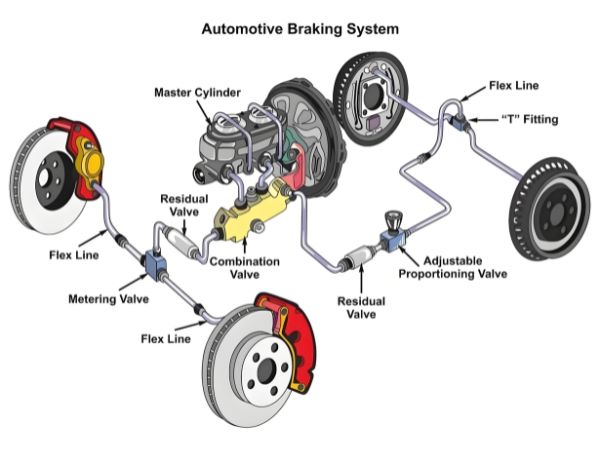
Detailed technical diagram of a traditional automotive hydraulic braking system showing the master cylinder, combination valve, metering valve, fluid flex lines, front disc calipers, and rear drum brakes.

From Vacuum Boosters to One-Box: The Evolution of Brake-by-Wire Technology in EVs

Executive Summary: Automotive braking has evolved through three major eras: Traditional Vacuum Systems, Two-Box Electro-Hydraulic Braking (EHB), and One-Box Integrated Brake-by-Wire (BBW) systems. While traditional systems rely on engine vacuum, modern Electric Vehicles (EVs) use software-calibrated servo motors. One-Box systems combine the electronic stability controller (ESC) and electro-hydraulic booster into a single unit, achieving 100% […]

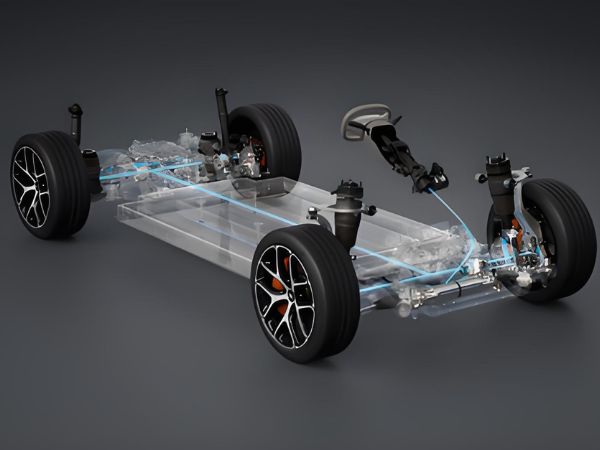
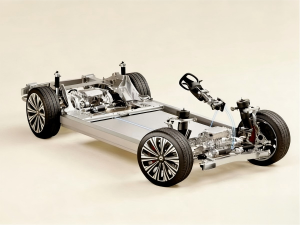
3D render of a smart EV X-by-Wire chassis showing a steering yoke without a mechanical column, electronic brake units, and digital wiring over a transparent battery frame.

X-by-Wire Chassis: How Code and Electricity Are Rewiring Smart EVs

By Johnny Liu, CEO at Dowway Vehicle Published: August 4, 2026 | Estimated Read Time: 8 Minutes (1,820 Words) | Category: Automotive Technology & EV Engineering Executive Summary & Author’s Note As car engineering shifts from mechanical parts to software, the chassis remains the ultimate proving ground for safety and performance. Self-driving chips can calculate

Concise and descriptive for accessibility screen readers and search engines.

EMB Line-Control Brakes Guide: EHB vs EMB & Market Outlook

Author Note: Written by Johnny Liu, CEO at Dowway. Reviewed by lead chassis engineering specialists. This article explains the shift in automotive brakes from hydraulic fluid to pure digital wire control. Key Takeaways 1. From Vacuum to Wires: How Car Brakes Evolved Car brakes have changed in three big steps over the last century to

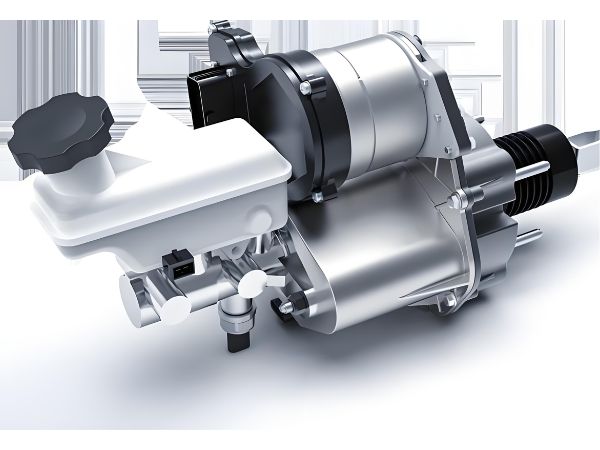
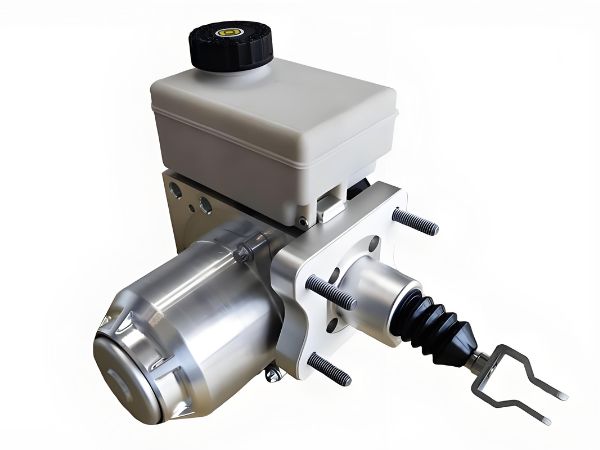
Electronic Hydraulic Brake (EHB) unit with electric motor actuator, brake fluid reservoir, and master cylinder assembly for electric vehicles

Brake-by-Wire (BBW) Deep Dive: How EHB Tech Powers Modern EVs and Autonomous Cars

Author: Johnny Liu | CEO at Dowway Vehicle Published: July 2, 2026 Category: Smart Chassis Series #06 Reading Time: ~8 minutes (~1,750 words) Reading Level: Grade 8 (Clear, direct technical language) Quick Take: What is an Electronic Hydraulic Brake (EHB)? An Electronic Hydraulic Brake (EHB) is a brake-by-wire system that replaces old engine-driven vacuum boosters

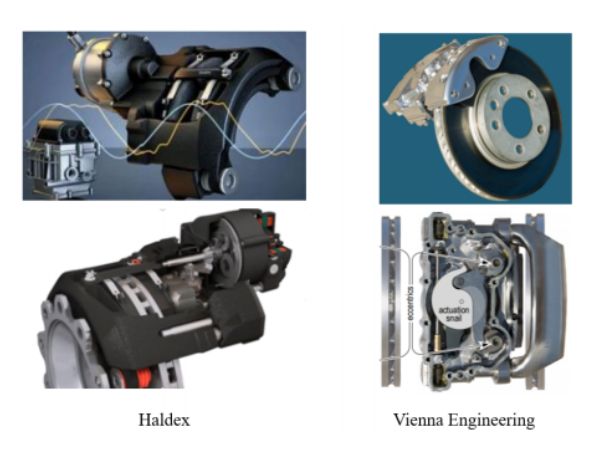
3D rendered diagrams and prototypes of Electro-Mechanical Brake (EMB) actuators from Haldex and Vienna Engineering showing motor drives, calipers, and internal actuation mechanisms.

Electro-Mechanical Brake (EMB) Systems: Structure, Control, and Real-World Uses

Author: Johnny Liu, CEO at Dowway Vehicle Source Reference: Based on research by Prof. Lu Xiong’s team at Tongji University (Sustainability, DOI: 10.3390/su15054514). Date: June 2, 2026 | Updated: August 3, 2026 Reading Level: 8th Grade (Clear explanations without dropping tech details) What Is an Electro-Mechanical Brake (EMB)? Modern electric vehicles and self-driving cars need

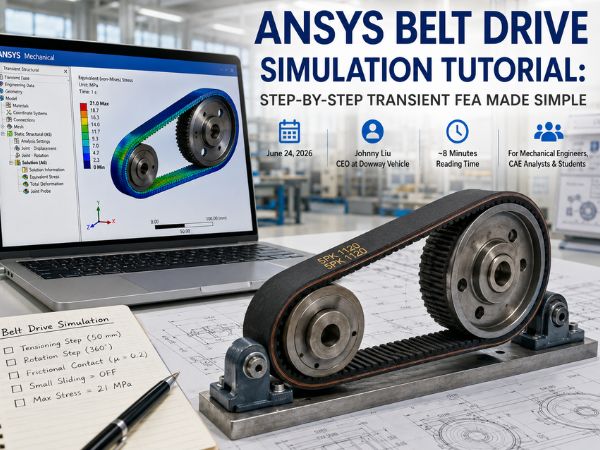
ANSYS belt drive transient structural simulation displayed on a laptop beside a physical belt-and-pulley test assembly in a bright engineering workshop.

ANSYS Belt Drive Simulation Tutorial: Step-by-Step Transient FEA Made Simple

Author: Johnny Liu | CEO at Dowway Vehicle Published: June 24, 2026 Reading Time: Approximately 8 Minutes (1,820 Words) Target Audience: Mechanical Engineers, CAE Analysts, Automotive Engineers, and Engineering Students Category: Automotive Engineering and FEA Simulation Guidance Author Experience About the Author Johnny Liu is the CEO at Dowway Vehicle, a manufacturer of commercial and

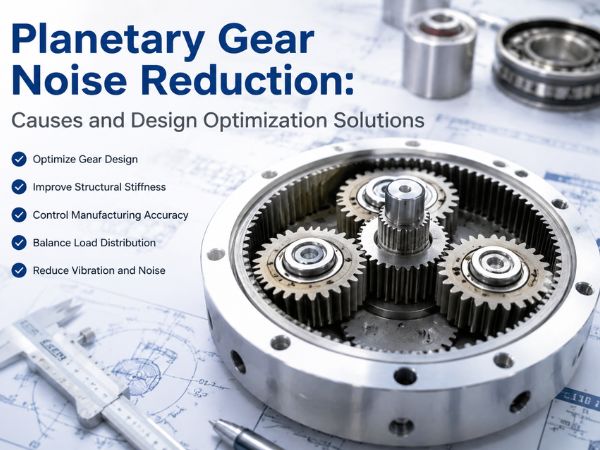
Planetary gearbox with precision gears illustrating noise reduction design, vibration control, and engineering optimization solutions.

Planetary Gear Noise Reduction: Causes and Design Optimization Solutions

Author: Johnny Liu, CEO at Dowway VehicleEngineering Focus: Vehicle drivetrain systems, planetary gearbox design, noise and vibration controlLast Updated: July 2026 Quick Answer: What Causes Planetary Gear Noise and How Can It Be Reduced? Planetary gear noise usually comes from gear meshing errors, manufacturing variation, structural vibration, assembly problems, lubrication issues, and unstable operating conditions.

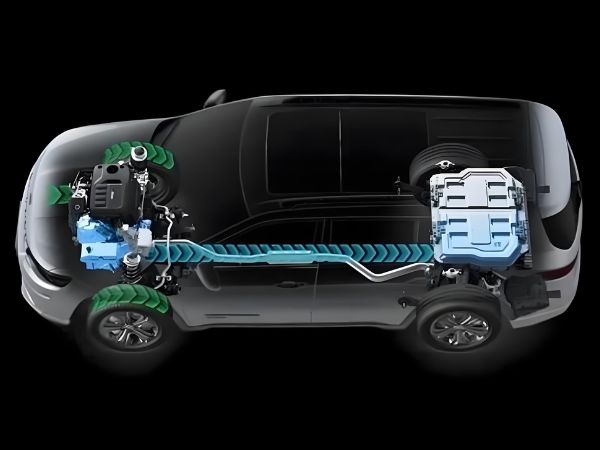
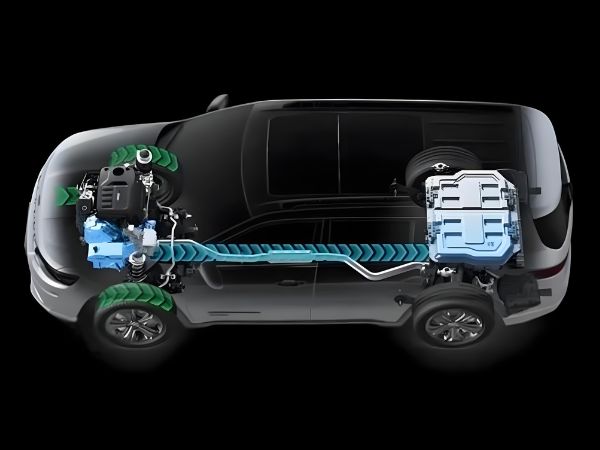
Hybrid vehicle technology explained with a transparent car design showing the engine, electric motor, battery pack, power control unit, and regenerative braking system.

Hybrid Vehicle Technology Explained: How Hybrid Cars Really Work

Published: July 27, 2026Last Updated: July 27, 2026 Written by Johnny LiuCEO at Dowway Vehicle About the Author Johnny Liu is the CEO at Dowway Vehicle, focusing on vehicle technology trends, automotive innovation, and the development of electrified mobility solutions. Through studying global vehicle technologies and market changes, Johnny focuses on one key question: How

A detailed, brightly lit cutaway visualization of a next-generation axial flux electric motor prototype mounted on a test stand in a modern engineering laboratory. The image reveals the internal "pancake" structure, showcasing copper coil windings, rotor disks with permanent magnets, and blue/red lines illustrating internal cooling paths. In the background, computer monitors display technical graphs and simulation data.

Axial Flux Motors: Fundamentals and the 3 Core Technologies Shaping Next-Gen Electrification

1. Introduction: The Shift in Electric Motor Design For over a century, the electric vehicle (EV) industry and industrial automation relied almost exclusively on Radial Flux Motors (RFM). In a radial flux design, magnetic flux travels radially outward across a cylindrical air gap between concentric rotor and stator elements. While reliable and mature, conventional radial

Need a Quote or Have Questions?

Please fill out the form below, our engineers will contact you within 24 hours.