
News

news

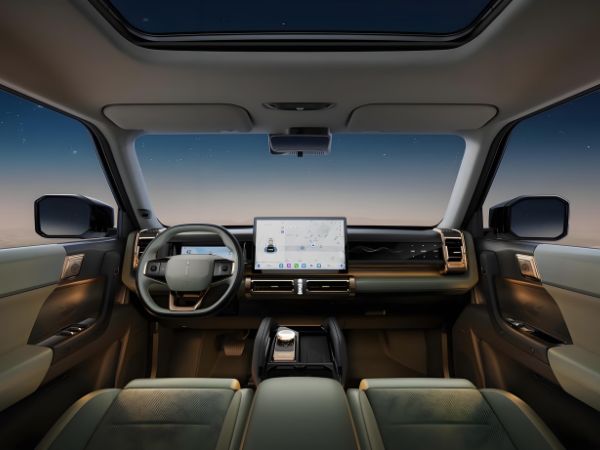
Smart cockpit system interior with digital dashboard, intelligent display, and advanced vehicle human machine interaction technology

Smart Cockpit System: Features, Architecture, and Future Trends

Published Date: August 10, 2026Last Updated: August 10, 2026 Written by: Johnny Liu CEO at Dowway Vehicle Johnny Liu focuses on automotive electronics, intelligent vehicle systems, and smart cockpit technology development. His work involves vehicle electronic architecture, cockpit solutions, and the transition toward software-driven mobility. Quick Answer: What Is a Smart Cockpit System? A smart […]

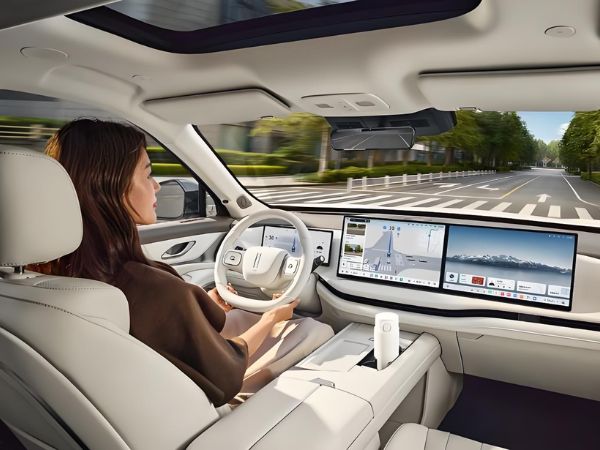
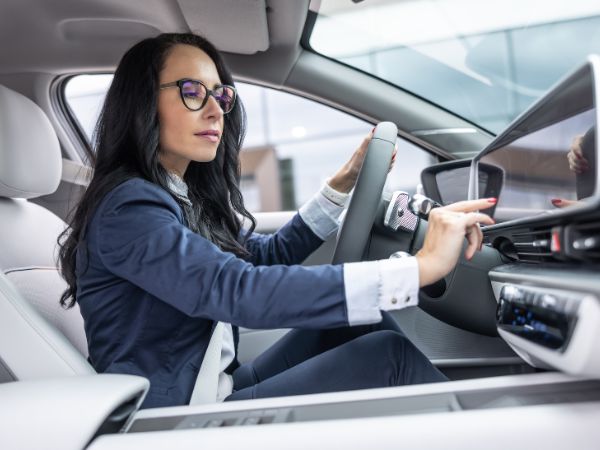
Driver interacting with an AI-powered smart cockpit system inside a modern intelligent vehicle

Smart Cockpit Platform Integration: AI Vehicle Roadmap 2026–2028

Published: August 2026Last Updated: August 2026 Written by: Johnny Liu CEO at Dowway Vehicle Expertise Areas:Intelligent Vehicle Platforms | Automotive Electronics | EV Architecture | Vehicle Computing Systems Quick Answer: What Is Smart Cockpit Platform Integration? Smart cockpit platform integration is the move from traditional vehicle displays and separate electronic systems toward a centralized AI

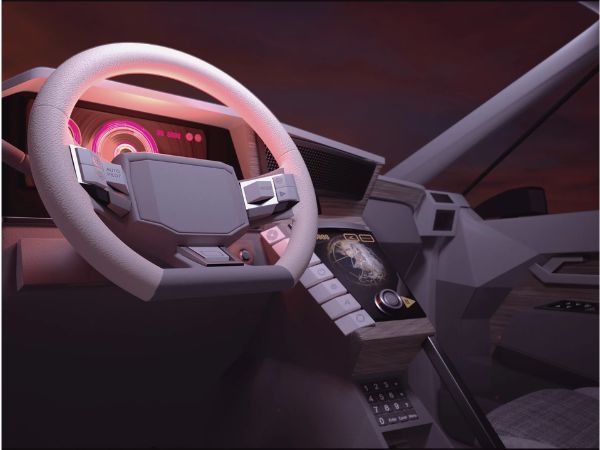
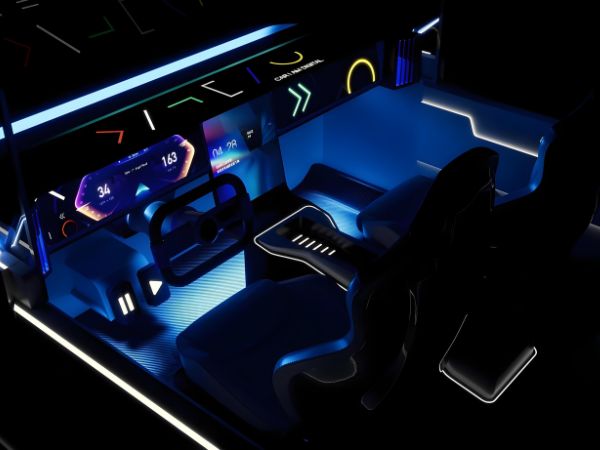
Futuristic intelligent driving vehicle interior showing autonomous cockpit design and advanced automotive technology

One-Box Braking System Safety Requirements for Intelligent Driving

Written by: Johnny Liu, CEO at Dowway VehiclePublished: August 7, 2026Last updated: August 7, 2026Estimated reading time: 8–10 minutesTechnical level: Automotive engineering overviewSource basis: R&D Report No. 218, “Safety Requirements of Intelligent Driving for One-Box Solutions” Quick Answer A One-box braking system must continue to provide safe braking after a failure. In driver-assistance vehicles, the

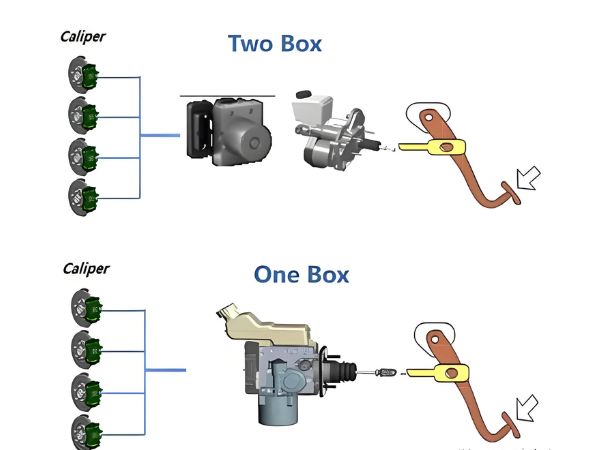
Two-Box and One-Box braking system comparison showing brake pedals, electronic control units, hydraulic lines, and four wheel calipers.

Two-Box vs. One-Box Braking Systems: How EV Brakes Work

By Johnny Liu, CEO at Dowway VehiclePublished: August 7, 2026Last updated: August 7, 2026Technical source review completed: August 7, 2026 Two-Box and One-Box are two types of electronic hydraulic brake systems used in electric and smart vehicles. A Two-Box system uses an electronic brake booster and a separate ESP unit. A One-Box system puts brake

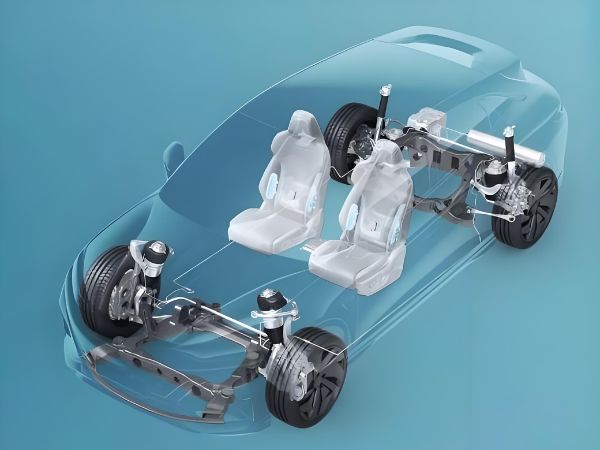
Cutaway view of an electric vehicle smart chassis highlighting the Electro-Mechanical Braking system and wheel-end motor actuators.

Inside EMB Functional Safety: Redundancy, ISO 26262, and the End of Hydraulic Brakes

Overview Fact Sheet Quick Summary: Electro-Mechanical Braking (EMB) is a pure brake-by-wire technology. It replaces hydraulic brake fluid with wires and motor-driven calipers attached directly to the wheels. This change drops brake response times from300\text{–}500\,\text{ms}down to<100\,\text{ms}. Because EMB has no mechanical pedal linkage or fluid backup, functional safety requires ASIL D full-link redundancy (dual power,

Detailed technical diagram of a traditional automotive hydraulic braking system showing the master cylinder, combination valve, metering valve, fluid flex lines, front disc calipers, and rear drum brakes.

From Vacuum Boosters to One-Box: The Evolution of Brake-by-Wire Technology in EVs

Executive Summary: Automotive braking has evolved through three major eras: Traditional Vacuum Systems, Two-Box Electro-Hydraulic Braking (EHB), and One-Box Integrated Brake-by-Wire (BBW) systems. While traditional systems rely on engine vacuum, modern Electric Vehicles (EVs) use software-calibrated servo motors. One-Box systems combine the electronic stability controller (ESC) and electro-hydraulic booster into a single unit, achieving 100%

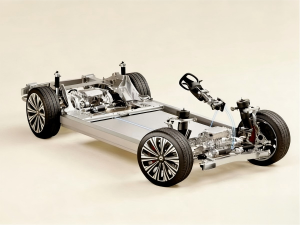
3D render of a smart EV X-by-Wire chassis showing a steering yoke without a mechanical column, electronic brake units, and digital wiring over a transparent battery frame.

X-by-Wire Chassis: How Code and Electricity Are Rewiring Smart EVs

By Johnny Liu, CEO at Dowway Vehicle Published: August 4, 2026 | Estimated Read Time: 8 Minutes (1,820 Words) | Category: Automotive Technology & EV Engineering Executive Summary & Author’s Note As car engineering shifts from mechanical parts to software, the chassis remains the ultimate proving ground for safety and performance. Self-driving chips can calculate

Concise and descriptive for accessibility screen readers and search engines.

EMB Line-Control Brakes Guide: EHB vs EMB & Market Outlook

Author Note: Written by Johnny Liu, CEO at Dowway. Reviewed by lead chassis engineering specialists. This article explains the shift in automotive brakes from hydraulic fluid to pure digital wire control. Key Takeaways 1. From Vacuum to Wires: How Car Brakes Evolved Car brakes have changed in three big steps over the last century to

Need a Quote or Have Questions?

Please fill out the form below, our engineers will contact you within 24 hours.